

It is easy to fall in love with the finished version of a women’s sports league, the packed arena, the national broadcast, the signature jerseys in every shop window. It is much harder to talk about the unglamorous work of getting there. This column is about building out, the phase when promise has to turn into infrastructure.
Growth in sports is rarely linear. A league adds teams, a media partner signs on, interest swells, and then the real test begins. Can the operation handle the attention? Are the facilities adequate? Is there enough staff to serve fans, sponsors and athletes at once? Expansion is exciting, but it exposes every weakness that smaller scale kept hidden.
The smartest leaders I have talked to treat building out as a sequence of decisions, not a single leap. They ask what must be solid before the next step. Governance, financial discipline, player health and fan experience all sit on the list. Skipping one in the name of speed can cost far more than it saves.
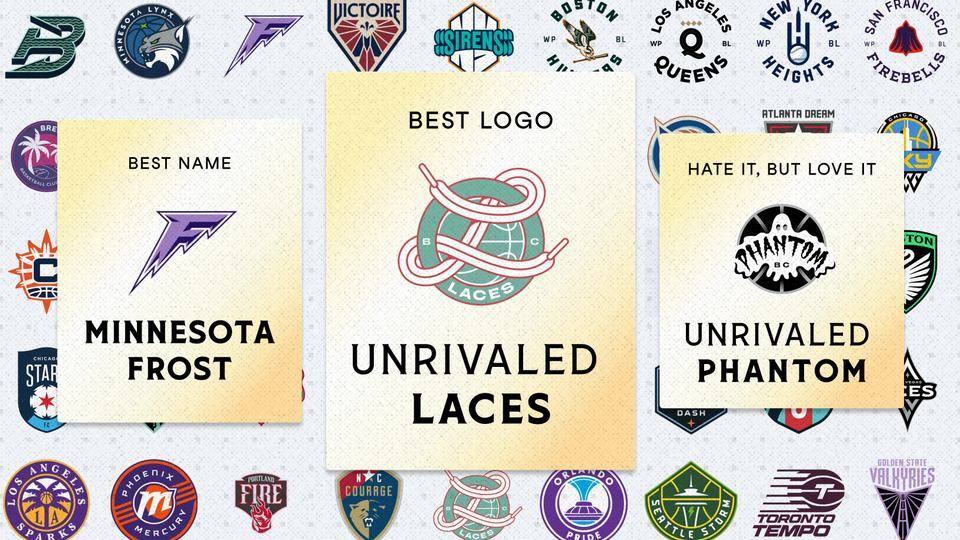
Markets matter, too. Choosing where to place a team is not just a spreadsheet exercise. It is a bet on a community’s appetite, its civic identity, its willingness to adopt a team as its own. The most successful launches I have seen start by listening to the place, then designing the experience around it.
Then there is the question of investment from outside. Capital is flowing toward women’s sports in ways that would have seemed unlikely not long ago. That is welcome, but money is not a strategy. Investors who understand that value is built slowly, through community trust and consistent quality, will do more good than those chasing a quick return.
I would also encourage everyone in this space to think about the pipeline. Building out is not only about the top tier. Youth programs, collegiate pathways, coaching development and local media all feed the ecosystem. If the base is thin, the peak eventually feels it.
None of this is a reason for pessimism. Quite the opposite. Every builder I respect looks at the scale of the opportunity and sees a long, rewarding project rather than a race. Building out is slow, and sometimes frustrating, but it is how lasting things come to exist. And in this industry, we are finally building something meant to last.