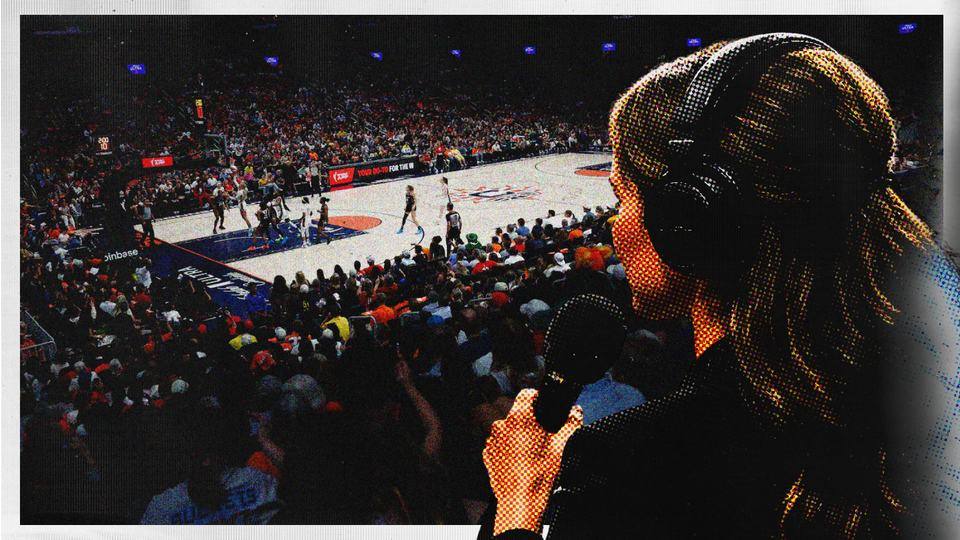

There’s a particular kind of quiet that settles in after a good broadcast. The graphics fade, the announcers sign off, and what remains is the feeling of having watched something that was treated as if it mattered. For a long time, women’s sports fans rarely got that feeling by default. We got it when we were lucky.
I’ve been thinking about how much of a sport’s identity is shaped by the way it is shown. Camera placement, replay choices, the patience to let a moment breathe — these are editorial decisions, and they communicate respect or the lack of it. Viewers feel the difference even if they can’t name it.
The industry has come a long way from the era when a women’s game was a scheduling afterthought tucked into a corner of the dial. More networks and streaming platforms now treat the product as inventory worth promoting. That deserves acknowledgment, because it didn’t happen by itself. Advocates, athletes, and persistent fans pushed it forward.
But a closing note should be honest, and honesty means admitting the work isn’t finished. Access is still uneven. Some fans have to hunt for a game across several apps. Some sports remain nearly invisible between major events. Distribution is not a footnote to the story; it is the story, because an audience can only grow where it can find you.
What I hope for next is craft. Not just more hours of coverage, but better storytelling inside them: preparation that knows the athletes as people, commentary that understands the tactics, and production that trusts the sport to be compelling on its own terms. Quantity gets you noticed. Quality gets you remembered.
I’m also hopeful about the way fans now participate. Clips travel, conversations spill across platforms, and a great moment can reach people who never tuned in live. Broadcast used to be a one-way street. It’s becoming a conversation, and women’s sports are well suited to that, because the fans have always been part of the show.
So this is my sign-off on the subject, for now. Keep asking for coverage that treats the games with care. Keep supporting the outlets that do. And keep telling people what you saw, because every conversation is a small broadcast of its own, and the signal is stronger than it used to be.