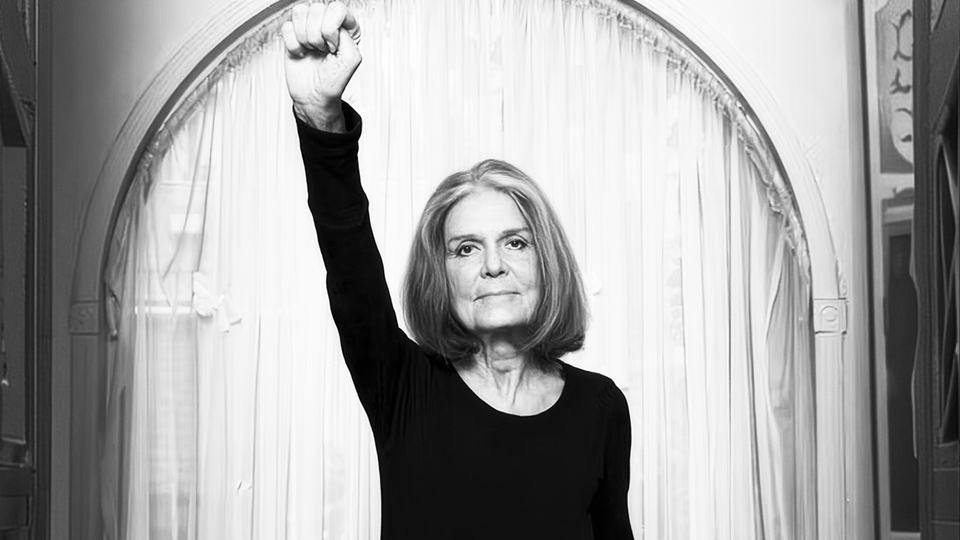

Some people change a field so thoroughly that later generations forget it ever looked different. When I think about the word legacy in women’s sports, I think of figures like that: the ones who pushed on a closed door long enough that it finally gave way. Gloria’s legacy is one of those stories, and it is worth telling carefully.
Legacy is a funny thing. We tend to picture it as a statue or a trophy, something fixed and finished. But the most meaningful legacies are the ones still working. They show up in the opportunities a girl has today without ever knowing who made them possible, in a locker room that exists, a team that is funded, a league that has a calendar and a schedule.
As an athlete, I have been on the receiving end of that kind of inheritance, and I try never to take it for granted. Every time I stepped onto a field for a national team, I was standing on ground that others had cleared, often at real personal cost. They absorbed the criticism and the indifference so that those who followed could simply compete.
What strikes me most about trailblazers is how ordinary their daily work usually looked. It was not glamorous. It was persistence: showing up to meetings, making calls, writing letters, refusing to accept that no was the final word. Big change is often assembled from small acts of stubbornness that never made a headline.
There is a business lesson hiding in here as well. Sports organizations are only as strong as their commitment to the people who built them. When we honor those who came first, we do more than pay a debt. We remind the current generation that this is a long game, that their efforts will matter long after their playing days, and that how they treat the next group counts.
I also think we owe our pioneers honesty. It is easy to polish a legacy until it is unrecognizable, to remove the arguments and the doubts. But the real story is richer and more useful when it includes the struggle. Young athletes learn more from the difficulty than from a tidy tribute.
So how do we honor it? By using what we were given. By speaking up when something is unfair, by mentoring someone a few steps behind, by backing the businesses and the media that take women’s sports seriously. A legacy is not something we merely admire. It is something we carry forward, and then hand on.