
There’s a particular hush that falls over a broadcast booth in the seconds before a game begins. The headset is on, the notes are spread across the desk, and you remember, once again, that you’re about to be the voice that helps strangers fall in love with what they’re seeing. It’s a responsibility I’ve never taken lightly.
Calling a basketball game is a lot like playing in one. You read the flow, anticipate what’s coming, and try to stay a half-step ahead without losing the moment. You learn when to talk and, just as importantly, when to let the crowd tell the story. Silence, used well, can be the best call of the night.
What I’ve always tried to bring to the booth is the perspective of someone who’s lived the game. I know what it feels like when a shot leaves your hand and you already know. I know the nervous energy of a late timeout. That experience helps me explain not just what happened, but why it mattered.
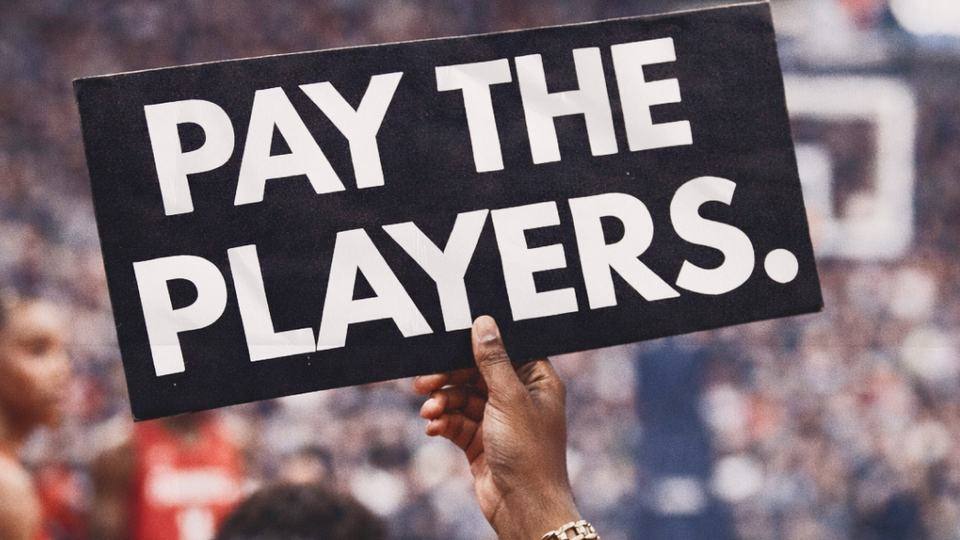
I also believe broadcasters have a duty to the players. These athletes work incredibly hard, and the way we describe them shapes how audiences see them. I want my commentary to be fair, informed, and respectful, with real enthusiasm for the skill on display. Fans can tell when you’re genuinely excited.
The craft has changed over the years. There are more cameras, more data, more platforms. But the heart of it is the same: tell a good story, be accurate, and help the viewer feel connected. Technology is a tool. Connection is the point.
For young women who dream of working in sports media, my advice is to study the game, find mentors, and say yes to opportunities even when they scare you. Every call, good or clumsy, teaches you something. And the more women’s voices fill the booth, the richer the broadcast becomes.
So when the lights come up and the headset goes on, I feel grateful. It’s a privilege to be on the call, and I hope to keep earning it with every tip-off.