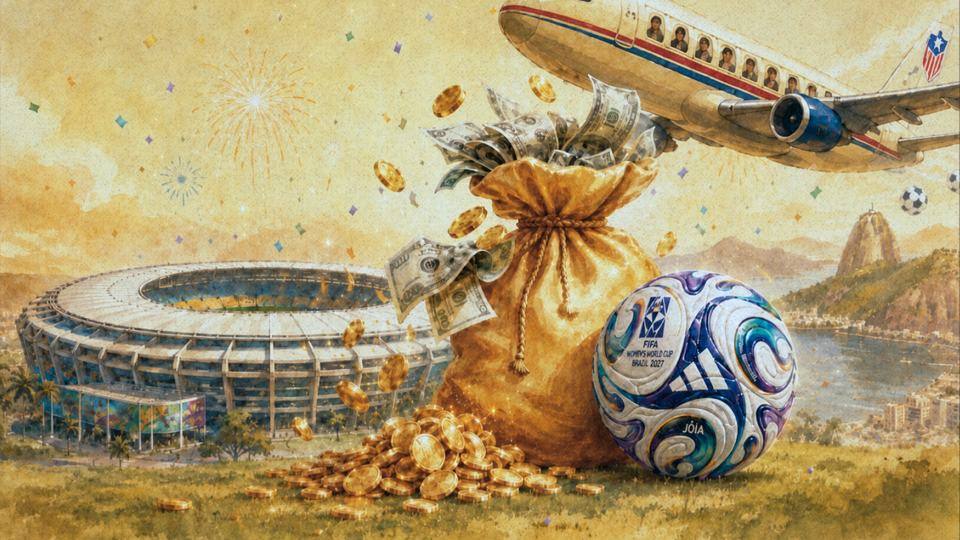

Some phrases carry their own momentum. Run it back is one of them — the idea that something good deserves another turn, bigger and braver than the first. When I think about what it would mean to run it back in a city like Rio, I think less about logistics and more about spirit: a place where sport is not a spectator pastime but a way of life.
Anyone who has spent time around Brazilian sports culture knows that passion there arrives without apology. Music, color, food and noise are all part of the match. That atmosphere is a reminder that women’s competition does not have to be quiet or cautious to be taken seriously. It can be loud, joyful and unmistakably communal.
From a business perspective, an event in such a setting gives organizers a rare chance to think beyond the gate receipt. Local partners, regional broadcasters, community programs and youth clinics can all be woven into the experience. The strongest events leave something behind: a field improved, a coach trained, a young player inspired to stay in the game.
I’d also argue that a return engagement is where real progress shows itself. The first time is about proving it can happen. The second is about proving it can be better. Lessons from the first round — what fans loved, what frustrated them, where athletes felt supported or stretched — should shape every decision about the next.
That requires listening. Athletes have views on travel, recovery, scheduling and storytelling that rarely make it into official statements. Fans have views too, often delivered in passionate detail across social feeds. A thoughtful organizer treats both as a design resource instead of a complaint box.
There’s a lot of talk in our industry about legacy, and it can sound grand and vague. In practice, legacy is a hundred small decisions made with care: ticket prices that welcome families, clear information for visitors, fair treatment for the workers who make the days run. Get those right, and the big moments take care of themselves.
So here’s to the second act. May it be louder than the first, kinder than the last and generous with its opportunities. If the sport is going to keep growing, it will be because someone was bold enough to say, let’s do that again — and do it better.