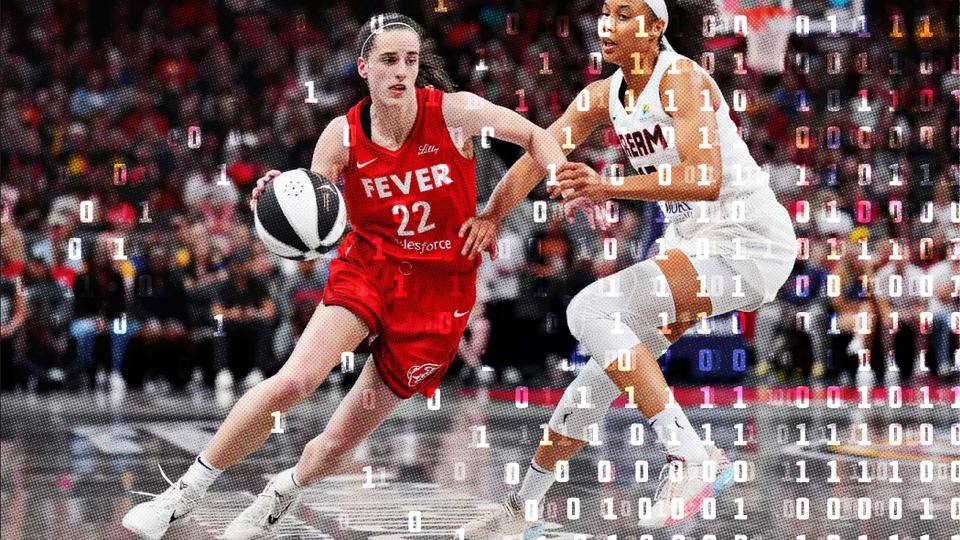

Ask anyone who works in sports media what keeps them up at night and a surprising number will say the same word. The algorithm. It decides what gets seen, what gets buried, and which athletes become household names. For women’s sports, which have spent years fighting for a sliver of attention, the stakes of that invisible referee are enormous.
The uncomfortable truth is that platforms reward what already has momentum. If a sport is under-covered, it generates less engagement, which means it gets recommended less, which means it generates even less engagement. It is a loop, and for a long time it quietly worked against women’s leagues without anyone ever making a deliberate decision to shut them out.
But loops can be broken, and I think this is where the story gets hopeful. When fans engage deliberately, by sharing clips, commenting, and following athletes directly, they teach the system what to show. Fandom has always been a kind of grassroots marketing. Now it also functions as data, and data is a language platforms understand.
Athletes have figured this out faster than many institutions. Many of them are building audiences on their own terms, telling their own stories in their own voices, and carrying their followers into the sport. That direct line to fans is changing the balance of power, and it is reshaping how teams and leagues think about content.
There is a danger, of course, in chasing the machine too closely. Content built only for reach tends to flatten into sameness. The most memorable sports storytelling usually comes from specificity, from a detail or a moment that only this athlete or this team could produce. Authenticity does not trend on command, but it does endure.
For brands and leagues, the lesson is to treat distribution as part of the strategy rather than an afterthought. Know where your fans actually spend time, build relationships there, and measure what matters beyond raw views. A smaller group of devoted followers is often worth more than a huge crowd of passersby.
So the algorithm is not a villain, and it is not a savior. It is a mirror that reflects where we point our attention. Point it at women’s sports often enough, and it will learn to look there too.