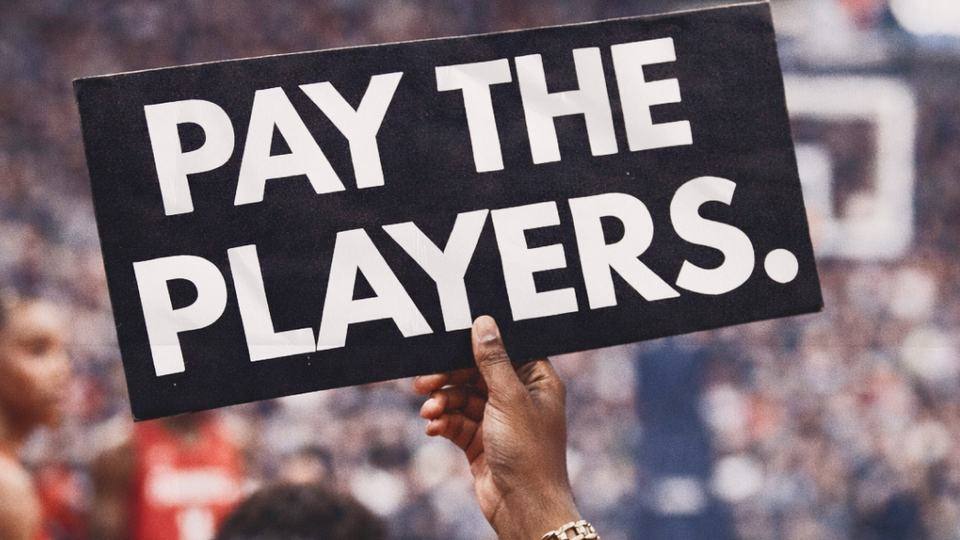
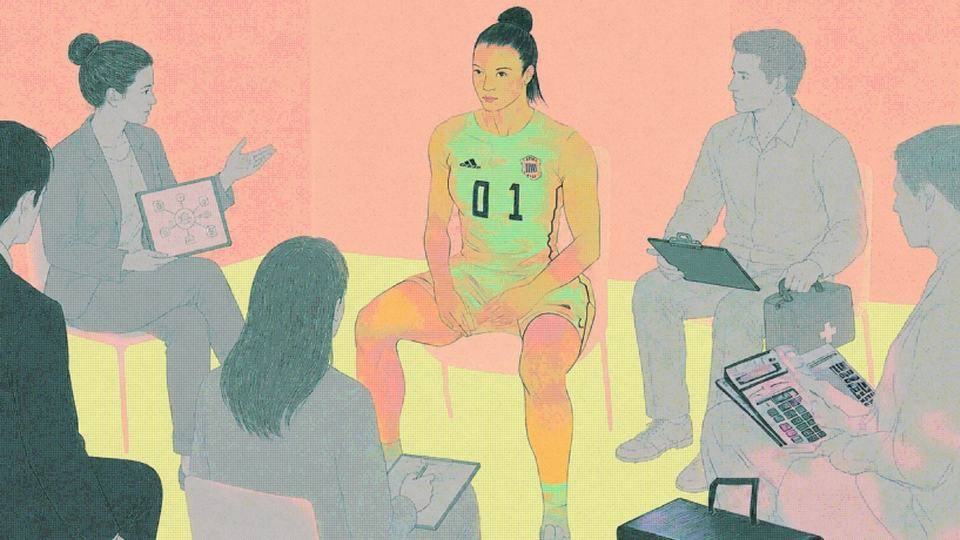

Ask an athlete what she needs and you’ll hear about training, recovery, nutrition and sleep. Ask her again a few years into a career and a new item tends to appear near the top of the list: a plan for what comes after. The body that earns an income in sport is on a clock, and the sooner that clock is acknowledged, the more options she has.
The first need is clarity. Many athletes enter professional life with a limited picture of how earnings, taxes and expenses fit together. That’s not a failing; it’s the predictable result of a system that trains people intensely for one thing and rarely teaches the rest. A simple, honest map of money coming in and going out is the foundation everything else rests on.
The second need is time horizon. An athletic career often compresses a lifetime of earning into a shorter window, which means the choices made early carry extra weight. Setting aside a portion consistently, building an emergency cushion, and thinking in decades rather than seasons can change the shape of life after the final whistle.
The third need is trustworthy guidance. Athletes are frequent targets for pitches from people who benefit when they say yes. Good advice is patient, explains its reasoning, and welcomes questions. If an adviser can’t describe a recommendation in plain language, that is information worth having.
There’s also a quieter need that gets less attention: permission. Women in sport are often told to be grateful for opportunity, and gratitude can slide into reluctance to negotiate, to ask about terms, or to put value on their own name and story. Treating that value as a real asset, worth protecting and developing, is not greedy. It is professional.
Finally, athletes need community. Peers who share what they’ve learned, mentors who have been through transitions, and organizations that treat financial education as part of performance support can make an enormous difference. Strength in sport has always been collective, and money turns out to be no exception.
None of this is glamorous, and that’s precisely why it matters. The athletes we cheer for deserve long, secure lives that extend well beyond the arena. Helping them build that is as much a part of the women’s sports economy as any media deal or sold-out night.